Tuesday, October 6, 2026

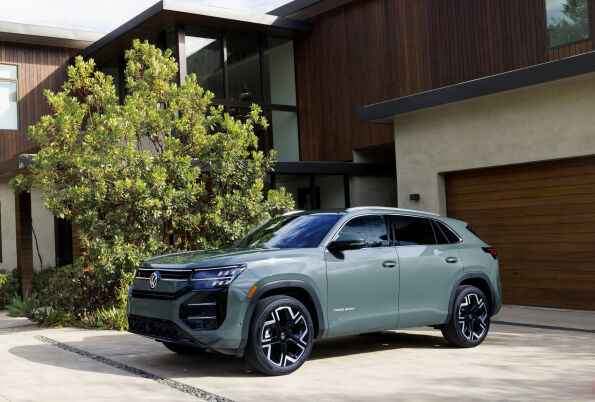
2026 Volkswagen Atlas: Practical Space for Busy Families


The 2026 Volkswagen Atlas stands out for one big reason: space. If you need a three-row SUV that fits real adults in every seat, the Atlas deserves a spot on your shortlist. It isn't perfect, though, so here's what you should know before you shop.

Design and Exterior Styling

The Atlas has a clean, upright look with a wide grille and a full-width LED light bar up front. It looks confident and modern, but it won't turn as many heads as some sportier rivals. That boxy shape pays off where it counts: inside.

Interior Space and Comfort

This is where the Atlas earns its reputation. The third row works for adults, not just kids, which is rare in this class. You can choose seating for six or seven passengers, and cargo space stays generous even with all seats in use. The cabin feels roomy and well-built, though some materials on lower trims feel basic for the price.

Performance and Engine Options

A turbocharged 2.0-liter four-cylinder engine powers every Atlas, making 269 horsepower and pairing with an eight-speed automatic. Front-wheel drive is standard, and 4Motion all-wheel drive is available. Acceleration feels adequate for daily driving, and the ride is smooth and composed. Towing tops out at 5,000 pounds when properly equipped.

Technology and Infotainment

A digital gauge cluster and large touchscreen come standard, along with wireless Apple CarPlay and Android Auto. The setup looks sharp, but the touch-sensitive controls for climate and volume can be distracting to use on the move.

Safety

The Atlas includes automatic emergency braking, blind-spot monitoring, and rear traffic alert. Volkswagen's IQ.DRIVE driver-assistance suite is available, too. The Atlas has a history of solid crash-test results, so check the IIHS and NHTSA websites for the latest 2026 scores.

Overall Value

Starting in the high-$30,000s, the Atlas delivers excellent passenger room and cargo flexibility for the money. Fuel economy and cabin tech trail some competitors, but if you prioritize space and comfort, the Atlas is a reliable, practical choice. Take one for a test drive and see how it fits your family.

Monday, September 28, 2026

2026 Honda Civic: Still a Star among Compacts


 Long a favorite in the compact car market, the 2026 Honda Civic remains a great value with its quality, style and versatility. 

The Civic ranges in price from the mid-$20,000s to nearly $50,000. 

Civic Sedan

  • LX: $25,890
  • Sport: $27,890
  • Sport Hybrid: $30,590
  • Sport Touring Hybrid: $33,590
  • Si: $32,690

Civic Hatchback

  • Sport: $29,090
  • Sport Hybrid: $31,790
  • Sport Touring Hybrid: $34,790
  • Type R: $48,590


The Civic features the Honda Sensing safety suite, which includes forward collision warning, automatic emergency braking, adaptive cruise control, lane-centering steering, road-sign recognition, traffic-jam assist and automatic high beams.

The base LX trim comes as a sedan only, with standard cloth upholstery, manually adjustable seats, keyless entry, push-button start, a 7-inch infotainment touchscreen, wired Apple CarPlay and Android Auto, a four-speaker audio system, automatic climate control, LED exterior lighting and 16-inch steel wheels.


The Sport trim is offered as both a sedan and a hatchback, with the same equipment regardless of body style. The gas-only Sport features red ambient interior lighting, remote start, metal pedals, an eight-speaker audio system, heated side mirrors and black 18-inch alloy wheels. It also adds blind spot warning and rear cross-traffic alert. The Sport Hybrid includes heated front seats, dual-zone automatic climate control and a moonroof.


The Sport Touring has leather upholstery, power-adjustable front seats, a 10.2-inch digital instrument cluster, a 9-inch infotainment touchscreen with Google and Alexa Built-In, wireless Apple CarPlay and Android Auto, a wireless phone charger, a 12-speaker Bose sound system and rain-sensing windshield wipers. The Sport Touring Hybrid adds front and rear parking sensors.


The Civic Si, offered only as a sedan, has a sport-tuned suspension, a limited-slip differential and matte-black 18-inch wheels. It has blind spot warning and rear cross-traffic alert.


The track-inspired Civic Type R comes with a stiffer-riding performance-tuned suspension, adaptive dampers, heavily bolstered manual sport seats and Brembo front brakes. It is only a hatchback and has most of the premium interior features of lower trims, with all the available safety equipment.


The Civic's standard powerplant is a 2.0-liter four-cylinder engine that makes 150 horsepower and 133 pounds-feet of torque. It’s mated to a continuously variable automatic transmission. The Civic’s fuel economy tops out at 32 mpg city/41 highway /36 combined mpg for the sedan, and the hatchback is a little less efficient. Hybrid models have the same engine and a pair of electric motors and direct drive. Their efficiency hits 50/47/49 mpg for the sedan, and the hatchback is once again slightly less efficient.

The Civic’s performance are less efficient, but they’re still respectable given the power they offer. The Civic Si has a turbocharged 1.5-liter four-cylinder that puts out 200 hp and 192 pounds-feet of torque, and it’s rated 27/27/31 mpg. The Civic Type R has a turbocharged 2.0-liter four-cylinder that makes 315 hp and 310 pounds-feet of torque, and it’s rated 22/28/24 mpg. Both come solely with a six-speed manual transmission.

TrimPowertrainCity MPGHighway MPGCombined MPG
LX sedan2.0-liter324136
Sport sedan2.0-liter313934
Sport Hybrid sedan2.0-liter hybrid504749
Sport hatchback2.0-liter303834
Sport Hybrid hatchback2.0-liter hybrid504548
Si sedanTurbo 1.5-liter273731
Type R hatchbackTurbo 2.0-liter222824


The Civic is roomy enough for five people, but as a compact, you'd be right to guess the back seat is a little tight. Manually adjustable cloth seats are standard, with the Sport Touring Hybrid featuring leather upholstery. The Si includes red and black cloth upholstery and bigger bolsters for the front seats, while the Type R has thicker bolstered sport seats upholstered in red synthetic suede.

The Civic’s standard 7-inch infotainment screen is small by today’s standards, but the 9-inch version in the Sport Touring, Si and Type R is closer to the mark. Those models also have a 10.2-inch digital instrument cluster.


Monday, September 21, 2026

2026 Honda Accord: Comfort Meets Efficiency


The 2026 Honda Accord builds on its reputation as a reliable, comfortable, fuel-efficient midsize sedan. With refined styling, a spacious interior and Honda's well-regarded hybrid powertrain, the Accord remains a strong choice for drivers who want a practical daily car without sacrificing comfort or technology.

The Honda Accord has spent decades as a benchmark in the midsize sedan segment, and the 2026 model continues that tradition. Rather than reinventing the car, Honda focuses on refinement: sharper handling, updated tech features, and a more premium cabin experience. For buyers cross-shopping sedans like the Toyota Camry or Hyundai Sonata, the Accord's blend of comfort, efficiency and driving dynamics keeps it firmly in the conversation.

This review breaks down what stands out about the 2026 Accord, who it's best suited for, and what to expect if you're considering one for your next vehicle purchase.

What's New in the 2026 Honda Accord?

Honda keeps the changes for 2026 evolutionary rather than revolutionary. Expect subtle exterior styling tweaks, a few new color options, and continued emphasis on the hybrid powertrain that has become a signature feature of recent Accord generations. The infotainment system also receives incremental updates, with Honda continuing to prioritize smoother integration between the touchscreen display and physical controls, a response to previous driver feedback about overly complex menus.

How Does the 2026 Accord Drive?

The Accord's driving experience remains one of its strongest selling points. The chassis feels composed on highways and confident through corners, striking a balance between comfort and sportiness that many competitors struggle to match. Steering feedback is precise without feeling heavy, and the suspension absorbs road imperfections smoothly.

The hybrid powertrain, in particular, deserves credit for how seamlessly it blends gas and electric power. Acceleration feels smooth rather than jerky, a common complaint with older hybrid systems, and the transition between power sources is nearly unnoticeable during regular driving.

Is the Accord's Interior Comfortable and Practical?

Inside, the Accord continues to prioritize space and simplicity. The cabin feels open, with clear sightlines and an uncluttered dashboard layout. Materials throughout the interior feel a step above what you'd expect at this price point, with soft-touch surfaces in key areas like the armrests and door panels.

Rear-seat space is generous for a midsize sedan, making the Accord a practical option for small families or anyone who regularly carries passengers. Trunk space remains competitive within its class, offering enough room for luggage, groceries, or sports equipment without needing to fold down the rear seats.

What Technology and Safety Features Come with the 2026 Accord?

Honda continues to include a solid suite of driver-assistance features as standard equipment across most trims. These typically include adaptive cruise control, lane-keeping assist, and automatic emergency braking, features that have become increasingly important to buyers prioritizing safety.

The touchscreen infotainment system supports smartphone integration, and higher trims offer additional features like a premium sound system and a larger digital gauge cluster. While not flashy, the technology suite feels purposeful, built around what drivers actually use rather than technology for technology's sake.

Who Should Buy the 2026 Honda Accord?

The 2026 Accord suits drivers who value reliability, comfort and efficiency over flashy styling or aggressive performance. Choose the Accord if you want a sedan that handles daily commuting and long road trips with equal ease, especially if fuel efficiency ranks high on your list of priorities. Families who need rear-seat space without stepping up to an SUV will also find plenty to like here.

If you're after a more performance-oriented driving experience, sedans like the Honda Civic Si or a sportier competitor might be worth considering instead. But for buyers who want a dependable, comfortable, and low-hassle car, the Accord remains a smart pick.

Final Thoughts: Does the 2026 Accord Live Up to Its Legacy?

The 2026 Honda Accord doesn't try to be flashy, and that's exactly the point. It focuses on doing the fundamentals well: comfort, reliability, and efficiency, all wrapped in a package that feels genuinely refined. For anyone shopping in the midsize sedan segment, the Accord deserves a spot on your test-drive list.

Frequently Asked Questions

Is the 2026 Honda Accord available as a hybrid?
Yes. The 2026 Accord continues to offer a hybrid powertrain option, known for its smooth power delivery and strong fuel efficiency compared to the standard gas engine.

How much cargo space does the 2026 Accord offer?
The Accord offers competitive trunk space for its class, making it a practical option for everyday errands and longer road trips alike.

Is the Honda Accord a good choice for families?
Yes. The Accord's spacious rear seating and comfortable ride make it a solid option for small families who don't need the extra size of an SUV.

What are the main alternatives to the 2026 Honda Accord?
Popular alternatives include the Toyota Camry, Hyundai Sonata, and Mazda6, though these may vary in performance, technology and design compared to the Accord.


Thursday, August 13, 2026

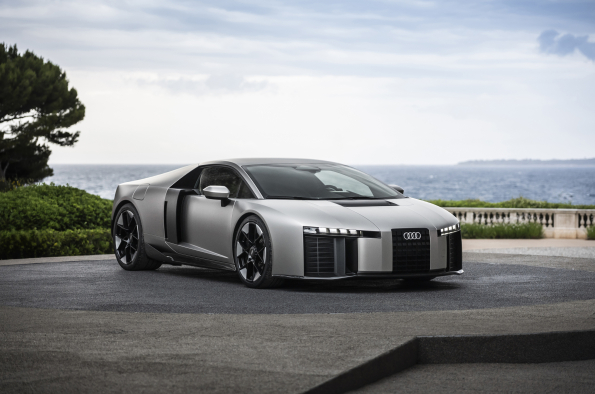
Audi to Unveil its Nuvolari in California

 Audi has announced that its Nuvolari will be on display during Monterey Car Week in California. Audi calls the Nuvolari the most powerful and fastest production vehicle in Audi history.

Audi will produce 499 of the vehicles globally, which will be powered by Audi’s first high-performance plug-in hybrid supercar powertrain. The Nuvolari boasts 987 horsepower, a top speed of more than 217 mph, active aerodynamics, quattro predictive ride and a new Audi Space Frame with full carbon fiber body. 

Please read more here.

Tuesday, August 11, 2026

VW Unveils Latest Version of Atlas SUV

 Volkswagen has unveiled its new 2027 Atlas Cross Sport, the second generation of the SUV. VW made some design changes to give it a more premium feel, along with driving-dynamics and technology tweaks. VW says the Cross Sport delivers an emotional, design-led premium approach to the 5-seater midsize SUV space, appealing to couples and empty nesters.

Tuesday, July 28, 2026

2026 Toyota Corolla Cross: Solid, Dependable Compact SUV


The 2026 Toyota Corolla Cross arrives as one of the most practical compact SUVs in its class—but does it live up to the Corolla name? This review breaks down what's new, what works and who this vehicle is best suited for.

The Corolla Cross has quietly become a strong seller for Toyota since its U.S. debut. The 2026 model builds on that foundation with refined styling, updated tech and the same reliability that Corolla buyers have come to expect. If you're shopping for a compact SUV and want a no-fuss, practical option, this one deserves a close look.

What's New for the 2026 Toyota Corolla Cross?

Toyota made meaningful updates to the 2026 Corolla Cross rather than delivering a simple refresh. The exterior gets a sharper front fascia with a wider grille and slimmer headlights, giving it a more assertive road presence. Inside, the cabin feels noticeably more premium, with soft-touch materials on the dashboard and a larger infotainment display replacing the older, smaller screen.

The 2026 model also adds wireless Apple CarPlay and Android Auto as standard across all trims—a welcome move that the previous generation reserved for higher configurations.

How Does the 2026 Corolla Cross Perform?

Under the hood, the standard 2026 Corolla Cross runs a 2.0-liter four-cylinder engine producing 169 horsepower. It's not a performance vehicle, and Toyota doesn't position it as one. What it does deliver is smooth, predictable acceleration that suits daily driving and highway commuting well.

The hybrid variant—branded as the Corolla Cross Hybrid—pairs a 2.5-liter engine with two electric motors to produce a combined 196 horsepower. This version also includes standard all-wheel drive, making it a smart choice for buyers in regions with harsher weather conditions.

Fuel economy is a genuine strength. The hybrid version achieves an estimated 42 mpg combined, while the standard model returns around 32 mpg combined—competitive figures for the segment.

Ride quality is comfortable and well-suited to city streets and highways alike. The suspension absorbs bumps without feeling floaty, and steering response is precise enough to make urban maneuvering easy.

What Is the Interior Like?

Space and practicality are where the Corolla Cross earns real points. The rear seat offers generous legroom for a compact SUV, and the 23.5 cubic feet of cargo space behind the second row expands to 50.0 cubic feet with the rear seats folded. That's solid utility for families and weekend adventurers.

The updated 8-inch touchscreen (or available 10.5-inch unit on higher trims) runs Toyota's latest software, which responds quickly and integrates well with both Android and Apple devices. Physical climate controls remain—a smart decision that many rival brands have moved away from.

How Safe Is the 2026 Toyota Corolla Cross?

Toyota Safety Sense 3.0 comes standard on every 2026 Corolla Cross. This suite includes pre-collision warning with pedestrian and cyclist detection, lane departure alert, automatic high beams, and radar cruise control. It's a comprehensive package that puts the Corolla Cross ahead of some competitors that charge extra for similar features.

Who Should Buy the 2026 Toyota Corolla Cross?

The 2026 Corolla Cross is an excellent fit for buyers who prioritize reliability, fuel efficiency and everyday practicality over driving excitement. It suits commuters, small families and first-time SUV buyers who want dependable transportation without the complexity of a larger vehicle.

Choose the standard model if budget is the primary concern. Choose the hybrid if fuel savings and all-weather capability matter more—the price premium pays off over time for higher-mileage drivers.

The Verdict on the 2026 Toyota Corolla Cross

Toyota refined a capable compact SUV and made it better in the areas that matter most to everyday buyers. The 2026 Corolla Cross delivers improved technology, strong fuel economy, solid safety features and a more polished interior—all at a competitive price point.

It won't thrill driving enthusiasts, but that was never the point. For buyers who want a practical, reliable, and well-equipped compact SUV, the 2026 Corolla Cross is one of the strongest options in its segment.


Tuesday, July 14, 2026

2026 Ford Transit-350: Built for Business


 The 2026 Ford Transit-350 is a heavy-duty cargo van starting at $50,600, powered by a 275-hp 3.5L V-6 engine paired with a 10-speed automatic transmission. With up to 247 cubic feet of cargo space, a payload capacity of 4,515 pounds and Ford Co-Pilot360 safety tech as standard, the Transit-350 remains a compelling choice for commercial operators and fleet buyers.

AAE got to experience the vehicle on a recent trip to Toronto, Ont., Canada.

Few cargo vans carry the name recognition of the Ford Transit. Since its North American debut in 2015, the Transit lineup has steadily evolved into one of the most configurable, capable and tech-forward work vans on the market. The 2026 Transit-350—the range's heavy-duty cargo variant—continues that trajectory with meaningful standard features, robust hauling figures and a modernized cabin that prioritizes driver productivity.

What Engine Options Does the 2026 Ford Transit-350 Offer?

The 2026 Ford Transit-350 comes standard with a 3.5L V-6 engine producing 275 horsepower at 6,250 RPM and 260 lbs-ft of torque at 4,000 RPM. This engine pairs with a 10-speed SelectShift automatic transmission and rear-wheel drive across most configurations.

Buyers who need more grunt can opt for the 11,000-lb GVWR trim, which upgrades to a 300-hp variant of the same 3.5L V-6. Both engines support E85 flex-fuel, adding a degree of operational flexibility for fleets with access to ethanol blends.

The Transit-350 also supports a towing capacity of 5,200 pounds—a useful figure for contractors hauling trailers or equipment.

How Much Can the 2026 Ford Transit-350 Carry?

Cargo volume is where the Transit-350 genuinely earns its keep. The van offers up to 247 cubic feet of interior cargo space, with 126 inches of cargo length behind the first row. Between the wheelhousings, width measures 54.8 inches, and cargo bed height comes in at 56.9 inches.

On the payload side, the Transit-350 can handle up to 4,515 pounds in its base configuration. The 25.1-gallon fuel tank supports extended range without constant refueling stops—a practical advantage for long-haul delivery routes.

Standard cargo access comes via split swing-out rear doors and a sliding side passenger door, making loading and unloading straightforward in tight spaces.

What Technology Comes Standard in the 2026 Ford Transit-350?

Ford equips the 2026 Transit-350 with the SYNC 4 infotainment system, which includes a 12-inch center display, wireless Apple CarPlay, Android Auto compatibility, Bluetooth and dual USB ports. A one-year Ford Connectivity Package adds an unlimited Wi-Fi hotspot, connected navigation, audio and video streaming, and a voice assistant.

The integrated navigation system with voice activation comes standard—a feature that removes the need for a separate GPS device on commercial routes. Rain-sensing variable intermittent wipers, a proximity key with push-button start, and electronic climate control round out the convenience-focused equipment list.

Is the 2026 Ford Transit-350 Safe for Commercial Use?

Ford's Co-Pilot360 suite comes standard, covering a wide range of active safety technologies. These include Pre-Collision Assist (PCA) with Automatic Emergency Braking (AEB) and Intersection Assist, Lane-Keeping Assist, Lane Departure Warning, Side Wind Stabilization, Electronic Stability Control (ESC), and Roll Stability Control (RSC). Front and rear parking sensors and a backup camera are also included.

The Transit-350 carries a warranty package that includes three years or 36,000 miles of basic coverage, five years or 60,000 miles of powertrain protection, and five years of unlimited-mileage corrosion coverage.

Is the 2026 Ford Transit-350 Worth Buying for a Fleet or Business?

The Transit-350 targets buyers who need proven payload capacity, broad configurability and technology that reduces downtime. Pricing starts at $50,600 for the base configuration, with higher-spec 11,000-lb GVWR trims reaching $62,900. Eight exterior color options—including Oxford White, Race Red, and School Bus Yellow—offer some branding flexibility for commercial operators.

For buyers prioritizing cargo volume, towing, and integrated safety technology in a single platform, the 2026 Ford Transit-350 delivers a well-rounded, commercially focused package.

Frequently Asked Questions

What is the starting price of the 2026 Ford Transit-350?

The 2026 Ford Transit-350 starts at $50,600 for the base configuration. Higher trims, including the 11,000-lb GVWR model with a 300-hp engine, reach up to $62,900.

How much cargo space does the 2026 Ford Transit-350 have?

The 2026 Ford Transit-350 offers up to 247 cubic feet of cargo space, with 126 inches of cargo length behind the first row and a payload capacity of up to 4,515 pounds.

What safety features does the 2026 Ford Transit-350 include?

The Transit-350 comes standard with Ford Co-Pilot360, which includes Automatic Emergency Braking, Lane-Keeping Assist, Electronic Stability Control, front and rear parking sensors, and a backup camera.

Does the 2026 Ford Transit-350 support Apple CarPlay?

Yes. The 2026 Ford Transit-350 includes wireless Apple CarPlay and Android Auto compatibility through the standard SYNC 4 infotainment system with a 12-inch display.

Monday, July 13, 2026

Toronto: World Class City, Full of Charms


Toronto is Canada's most populous city and one of the world's most multicultural destinations. From the iconic CN Tower to the vibrant Kensington Market, the city offers a rich mix of culture, history and unforgettable experiences for every type of traveler.

Sitting on the northwestern shore of Lake Ontario, Toronto is Canada's financial and cultural capital—and one of North America's most exciting cities to explore. With a metro population of over six million people, it buzzes with energy, diversity and life.

What Makes Toronto a Great Place to Visit?

Toronto is home to over 140 languages and one of the most diverse food scenes on the continent. Whether you're strolling through Chinatown, browsing the eclectic stalls of Kensington Market, or dining in the Distillery District's beautifully preserved Victorian laneways, there's always something new to discover.

What Are the Must-See Attractions in Toronto?

  • CN Tower—At 553 meters tall, this iconic landmark offers breathtaking views of the city and Lake Ontario
  • Royal Ontario Museum—A world-class museum with collections spanning art, culture and natural history
  • Ripley's Aquarium of Canada—A family favorite, located steps from the CN Tower
  • Casa Loma—A stunning castle built in 1914, perched above the city skyline
  • St. Lawrence Market—A historic market dating back to 1803, perfect for foodies
  • Niagara Falls - About a two-hour drive from Toronto, the falls offer stunning views and plenty of shops and restaurants; many shuttles available from Toronto to make it an easy day trip


Plan Your Toronto Trip Today

Toronto rewards curious travelers with something new around every corner. Start planning your visit at Destination Toronto's official website for up-to-date guides, itineraries and tips.

Frequently Asked Questions

What is the best time of year to visit Toronto?

Summer (June through August) offers warm weather and outdoor festivals. Fall brings stunning foliage and fewer crowds—a great alternative for those who prefer a quieter visit.

How many days do you need to see Toronto?

Three to five days gives you enough time to explore the major attractions, neighborhoods and food scenes without feeling rushed.

Is Toronto a walkable city?

Yes. Toronto's downtown core is very walkable, and the city's transit system (the TTC) makes it easy to reach neighborhoods farther from the center.

Wednesday, June 10, 2026

Summer Travel Plans? Check Out these Tips for a Safe, Enjoyable Trip


Traveling opens the door to exciting experiences, but it can also expose you to new germs and unfamiliar environments. Health issues such as animal bites or food poisoning can quickly derail a trip, turning a vacation into days of recovery or even an emergency room visit.

Use these healthy travel tips to lower your risk of getting sick and make the most of your trip—from managing jet lag to handling a bad sunburn.

"Plan ahead. Are vaccinations recommended for your destination? Precautions against food or mosquito-borne infections? Preparing in advance will help you spend your time enjoying your trip and not dealing with unexpected illness,” Henry Wu, infectious disease specialist, told Emory Health News.

1. Plan ahead: Know your destination’s health risks

Check whether your destination calls for vaccinations or precautions against foodborne or mosquito-borne illness so you can spend your trip enjoying yourself, not recovering from something preventable.

One basic line of defense is staying current on your flu and COVID vaccines. These are among the most common illnesses during travel, and even healthy travelers may want to avoid getting sick on vacation or bringing illness to the people they visit.

Different destinations carry different risks, so it helps to know what to expect. The CDC’s Travelers' Health tool is a useful resource for researching common illnesses and recommended vaccines by destination.

 Wu notes that immigrants returning to their countries of origin may assume they are still immune to local diseases, but immunity can fade after living in the U.S. Checking with a health care provider before traveling is still important.

2. Pack smart: Create an on-the-go health arsenal 

As with toiletries, don’t leave home without a well-stocked travel health kit. Essentials include:

  • Hand sanitizer: A travel-sized bottle of alcohol-based sanitizer is your best friend for frequent use, especially when soap and water aren't readily available.

  • Any personal medications: Keep them in their original packaging with a copy of your prescription.

  • Pain relievers and fever reducers: If you often catch a cold while traveling, decongestants and cough suppressants may also be worth packing.

  • Antacids and anti-diarrheal medication: Travelers’ diarrhea is so common it has a name. Be prepared for potential digestive issues.

  • Motion sickness remedies: If you're prone to it, pack medication or acupressure bands.

  • Insect repellent: “Mosquito-borne infections like dengue are surging,” warns Wu. Protect yourself from bug bites by packing a bug spray.
  •  Sunscreen and lip balm with SPF: Protect yourself from harmful UV rays, no matter the climate. Going somewhere extra sunny? Pack hats and long sleeves.

  • Basic first aid: It's always a good idea to have some basic first-aid items on hand, especially if you plan to be hiking or spending time outdoors.

 Wu also recommends carrying a face mask for crowded indoor spaces with poor ventilation, since masking can help reduce respiratory infections—some of the most common illnesses among travelers.

3. Prioritize hygiene: Your first line of defense

Frequent handwashing is one of the best ways to prevent illness while traveling. Wash with soap and water for at least 20 seconds, especially before eating and after time in public places. If soap and water aren’t available, use an alcohol-based hand sanitizer.

Also try not to touch your face—especially your eyes, nose, and mouth—which is an easy way to pick up germs.

4. Consume with care: Mealtime health concerns 

Trying local food is one of the joys of travel, but food- and waterborne illnesses are common, especially in places with limited resources.

Illness can happen when food or drinks are contaminated with bacteria, whether from undercooked meat or poor hygiene practices. Unfortunately, it can be relatively easy to get sick.

Taking these steps can help reduce some of the risk:

  • Drink safe water: If you know the tap water is not safe where you're visiting, opt for bottled water or water that has been properly treated (boiled, filtered or chemically disinfected). Avoid ice unless you're certain it's made from safe water. Brush your teeth with bottled water.

  • Consider your dining options: When possible, avoid raw or undercooked meats, seafood and eggs, which are known to cause more frequent infection. Hot, freshly cooked food is often safer. Always consider the food handling and hygiene at restaurants and street vendors — if food is sitting out at room temperature for long periods, avoid it.

  • Wash fruits and vegetables: If you're eating raw produce, wash it thoroughly with safe water. Thick-skinned fruits that you can wash and peel yourself are often the safest choice. 

5. Pace yourself: Prioritize rest

One of the easiest ways to get sick while traveling is to overdo it. Getting enough sleep supports your immune system and helps you stay well.

To reduce jet lag, adjust to your new time zone as quickly as possible and spend time outdoors, since daylight helps your body adapt.

6. Know what to do

Sometimes, despite good planning, travel health problems still happen.

 Wu says injuries are common during travel and can be more dangerous than infections. Travelers may take bigger risks abroad, often where safety standards and emergency care are more limited.

His advice: use common sense. Skip activities that don’t look safe or that you wouldn’t do at home. If you aren’t an experienced motorcyclist or strong swimmer, travel isn’t the time to take unnecessary risks.

Here’s what to do if you get some common travel health issues:

  • Injury: One of the most common injuries when traveling internationally is motor vehicle accidents. Know your local hospitals and follow law enforcement's directions.

  • Food poisoning or travelers’ diarrhea: Stay hydrated with frequent sips of fluids. Eat plain foods like bananas and rice, and get lots of rest. Seek medical attention if you experience any of the following symptoms: bloody diarrhea, fever, severe nausea or vomiting, and dehydration.

  • Sunburn: Apply aloe and take over-the-counter inflammatory medication such as ibuprofen. Remain out of the sun. Seek medical attention if you develop large blisters, show signs of infection or experience worsening pain.

  •  Animal bites: Avoid contact with stray and wild animals, even if they look healthy. Any animal bite or scratch should be washed immediately, then seek immediate medical attention to determine whether or not rabies post-exposure treatment is needed. 

7. Listen to your body and seek help when needed

Pay attention to unusual symptoms while traveling and don’t assume they’ll go away on their own. If you feel unwell, get medical care promptly.

Despite the risks, travel also offers real health benefits. Wu says exploring new places can inspire healthier habits, build confidence, and create new social connections. Seeing how other cultures live can also broaden your perspective and deepen your appreciation for home.

Staying healthy while traveling is a proactive process. By following these healthy travel tips, you can significantly reduce your risk of getting sick and enjoy a healthier, happier journey. Safe travels!

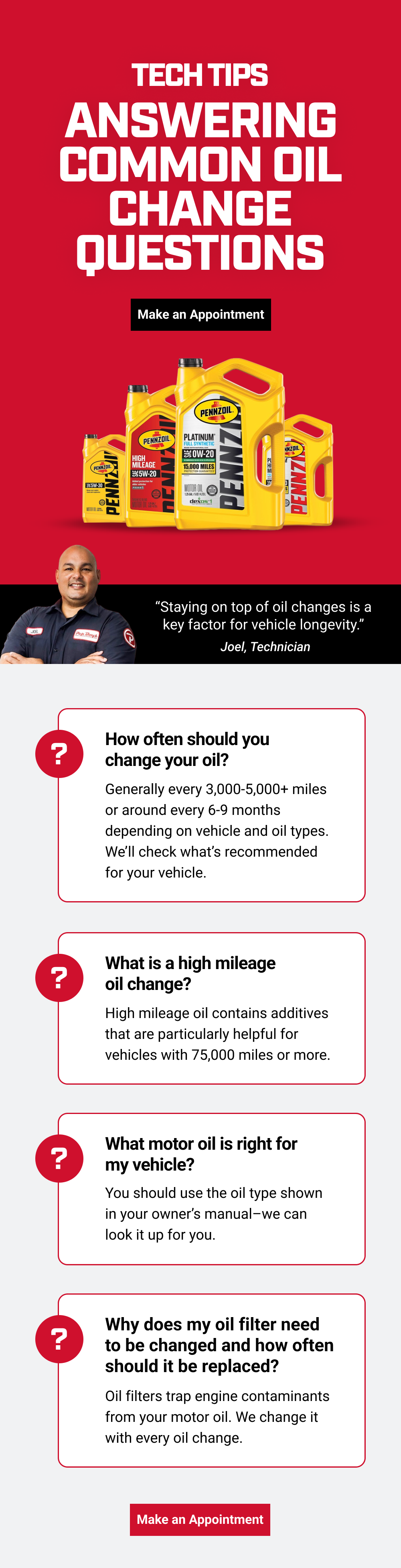
What You Need to Know about Oil Changes


Wednesday, June 3, 2026

2026 Mitsubishi Outlander: New Features Add Extra Value


  • Mitsubishi is one of those car brands you might need to be reminded, periodically, still exists. But it's still kicking. With a scaled down vehicle lineup, you can still find a few of the Japanese brand's products out there, including this week's tester, the Outlander. 
  • It features a minimal fuel-economy increase, and better in-town drivability, but overall not much has changed. Mitsubishi put some of its limited marketing muscle behind Outlander, which has received a mild refresh consisting primarily of suspension and cabin tweaks. But the biggest change is the new hybrid powertrain that now comes standard.

The former naturally aspirated 2.5-liter four-cylinder engine is replaced by a new turbocharged 1.5-liter four-cylinder with hybrid assistance. It loses 7 hp, so it now has 174 horsepower, but the hybrid makes 206 pounds-feet of torque, a gain of 25.

There are the ES and SE trim levels, a top-of-the-line SEL Black Edition and a sporty Ralliart trim. Pricing is as follows: 

  • ES: $31,965
  • SE: $36,315
  • SEL: $41,015
  • Trail Edition: $41,615

The entry-level Outlander ES has standard 18-inch alloy wheels and LED headlights and taillights. Inside, you’ll find manually adjustable front seats, cloth upholstery, push-button start and dual zone climate control. Tech features include an eight-speaker audio system and a 12.3-inch touchscreen with navigation and Apple CarPlay and Android Auto. Optional are all-wheel drive and headlight washers, windshield-wiper de-icers and heated front seats. 

Standard safety gear for the 2026 Outlander includes forward collision warning with pedestrian detection, automatic emergency braking, blind spot monitors, rear cross-traffic alert, a driver-attention monitor, automatic high beams and rear parking sensors.

The SE includes 20-inch wheels, LED foglights, rain-sensing windshield wipers, a power liftgate and keyless entry. Inside, the SE has a power-adjustable driver’s seat, synthetic suede upholstery, heated front seats, a heated steering wheel, a 360-degree camera system and wireless phone charging. Headlight washers and windshield-wiper de-icers are also included with AWD on the SE and SEL, and they come standard on the Trail Edition.

Based on the SE, the Trail Edition wears black lower-body cladding as well as black 18-inch wheels, mirror housings and roof rails. It also features mud flaps, a black hood decal, dark-chrome window trim and a spoiler. Only available with AWD, the Trail Edition also includes a panoramic moonroof.

The SEL forgoes the Trail Edition’s black exterior trim but keeps the moonroof and tech upgrades. It also gains a 12.3-inch digital instrument cluster, leather upholstery, a power front-passenger seat, ventilated front seats, heated rear seats, tri-zone automatic climate control and rear window shades. The Trail Edition and SEL also add lane-centering steering, navigation-linked adaptive cruise control with stop-and-go, road-sign recognition and front parking sensors.

The new hybrid powertrain is standard on 2026 Outlanders. It’s mated with a continuously variable automatic transmission. Front-wheel drive is standard on the ES, SE and SEL; AWD is a $1,800 option on the ES, SE and SEL and standard on the Trail Edition.

With FWD, Mitsubishi says the 2026 Outlander returns an estimated 26/31/28 mpg city/highway/combined; the AWD Outlander is rated at 26/30/27 mpg (official EPA ratings for the 2026 model are not yet available). Those are minimal increases from the prior model's 24/31/27 mpg with FWD and 24/30/26 mpg with AWD, but the increased low-end torque should make the updated Outlander more responsive in low-speed, around-town driving.